Civil War discussion group for the San Francisco Peninsula
Why Should You Be Interested in Civil War History?
The Civil War, what led up to it, and what happened afterwards are central to American history, and how the America we know today came to be.
At each monthly meeting of the Peninsula Civil War Round Table, the San Francisco Peninsula’s round table group, we explore and discuss a wide variety of topics related to Civil War history.
We cordially invite you to join us at lunchtime the third Tuesday of each month, at Harry’s Hofbrau restaurant, 1909 El Camino Real in Redwood City, CA. See the MEETING INFO tab above for a map and directions. Harry’s opens at 11 a.m. for lunch, cafeteria style. Meetings in the side room to the left of the entrance begin promptly at 12 noon.
Upcoming meetings:
October 20, 2026 — Alice Mansell on “Civil War Telegraph: Technology and Use”
Join us at Harry’s Hofbrau in Redwood City on Tuesday, October 20. Harry’s opens at 11 am for cafeteria style lunch; our meeting will start promptly at 12 noon. See the MEETING INFO menu item for directions. This month’s topic is
Alice Mansell on “Civil War Telegraph: Technology and Use”
Alice Mansell will speak about the technology and use of telegraphs during the Civil War. The story of Abraham Lincoln haunting the telegraph station closest to the White House. How an expanding network of the Northern Army’s newly mobile telegraph operators transmitted steady news from battlefronts while the Confederate forces could rarely match their communications networking success. Finally, the cross country race to transmit by telegraph the Nevada State Constitution to Washington, D.C. just in time for the “Battle Born” Silver State to be admitted to the Union and thus, its citizens able to vote in the November 1864 election and its three new Electoral College voters able to vote for Lincoln.
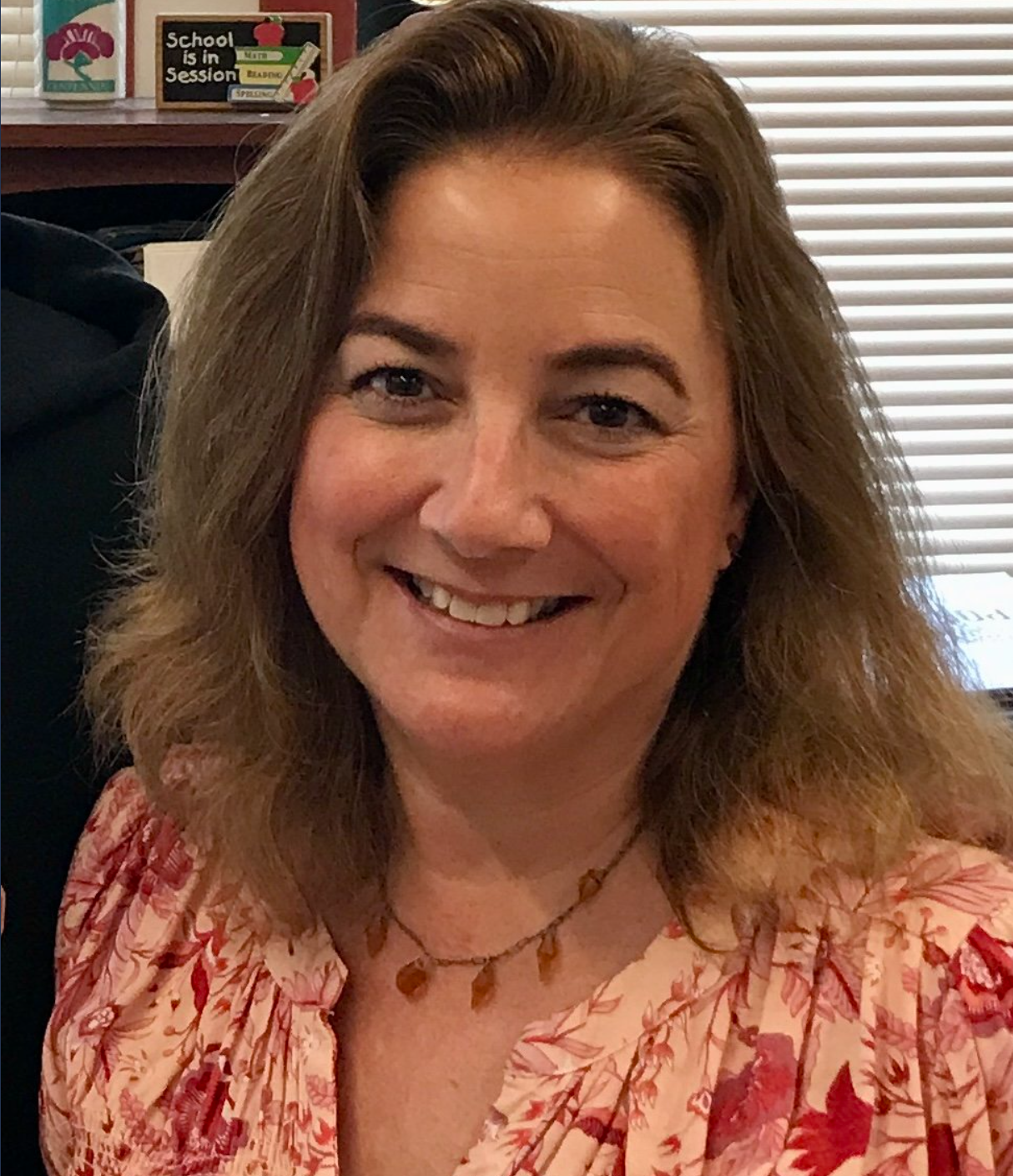
Alice is a member of the Peninsula Civil War Roundtable and is Historian of the Los Altos Chapter of the Daughters of the American Revolution.
Join us at Harry’s Hofbrau in Redwood City on Tuesday, November 17. Harry’s opens at 11 am for cafeteria style lunch; our meeting will start promptly at 12 noon. See the MEETING INFO menu item for directions. This month’s topic is
Jim Rhetta on “A Comparison of Civil Wars”
Jim will provide a look at four contemporary civil wars: the divisions, the impacts, and the results compared to the U.S. Civil War.
Mr. Ames will speak on the Civil War Naval Blockade, tracking the assignments of his great grandfather, who was in the U.S. Navy as an engineer during the war.
John Ames was born and raised in Cincinnati, Ohio, into a family that had ancestors who had roles during historical events. He became interested in Civil War history during high school, and attended the University of Cincinnati with a dual major in history and political science.
Mr. Ames is retired. His work experience was as a business/facilities manager for such diverse callings as a national trade show decorating contractor, a private school for children with learning disabilities, and a local church built in 1872. He and his wife have lived in Menlo Park for the past thirty-six years.
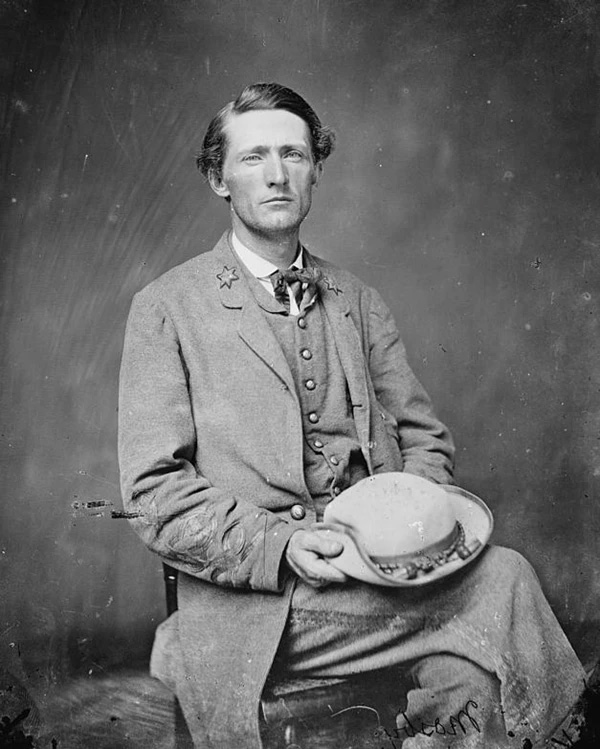
Joan Larrabee on “Colonel John Singleton Mosby, CSA”
Colonel John Singleton Mosby, CSA, was a colorful and effective leader of Confederate Partisan Rangers during the United States Civil War. Operating in Northern Virginia, his independent guerrilla regiment waged war on Federal troops, wagon trains, and railroads. He wrote his Memoirs near the end of a long life, even spending years as an attorney in San Francisco and Washington, DC.
Joan Larrabee grew up in a military family; one great-grandfather served in a New York regiment as a teenager at the end of the Civil War. She earned a degree in history at Stanford University and a Master of Urban Planning at San Jose State. She worked for the City of San Jose in the fields of community services, public works, and transportation.
“Hancock at Gettysburg” by Thure de Thulstrup, showing Pickett’s Charge
General Robert E. Lee’s military career had reached its zenith, and he wanted to bring the war to the North and away from Virginia.
The Union army was aware of Lee’s intention, so they moved North to meet his challenge. This resulted in the largest and bloodiest war ever on U.S. soil. Careful planning was required in order to have enough food, equipment, ammunition, medical supplies, etc. to sustain such a long campaign.
A group discussion is planned after the presentation.
Magnus Akerblom was born in Sweden and immigrated to the U.S. with his family in 1957. They lived in Lake County for three years and then moved to San Mateo. After graduating from Burlingame High School, Magnus served three years in the U.S. Army. He attended the College of San Mateo where after taking a class in U.S. history, Magnus developed a life long interest in the Civil War.
One of Magnus’ favorite pastimes is off road wheeling in his Jeep. He belongs to the Esprit De Four club, and conducts a class on how to drive off road.
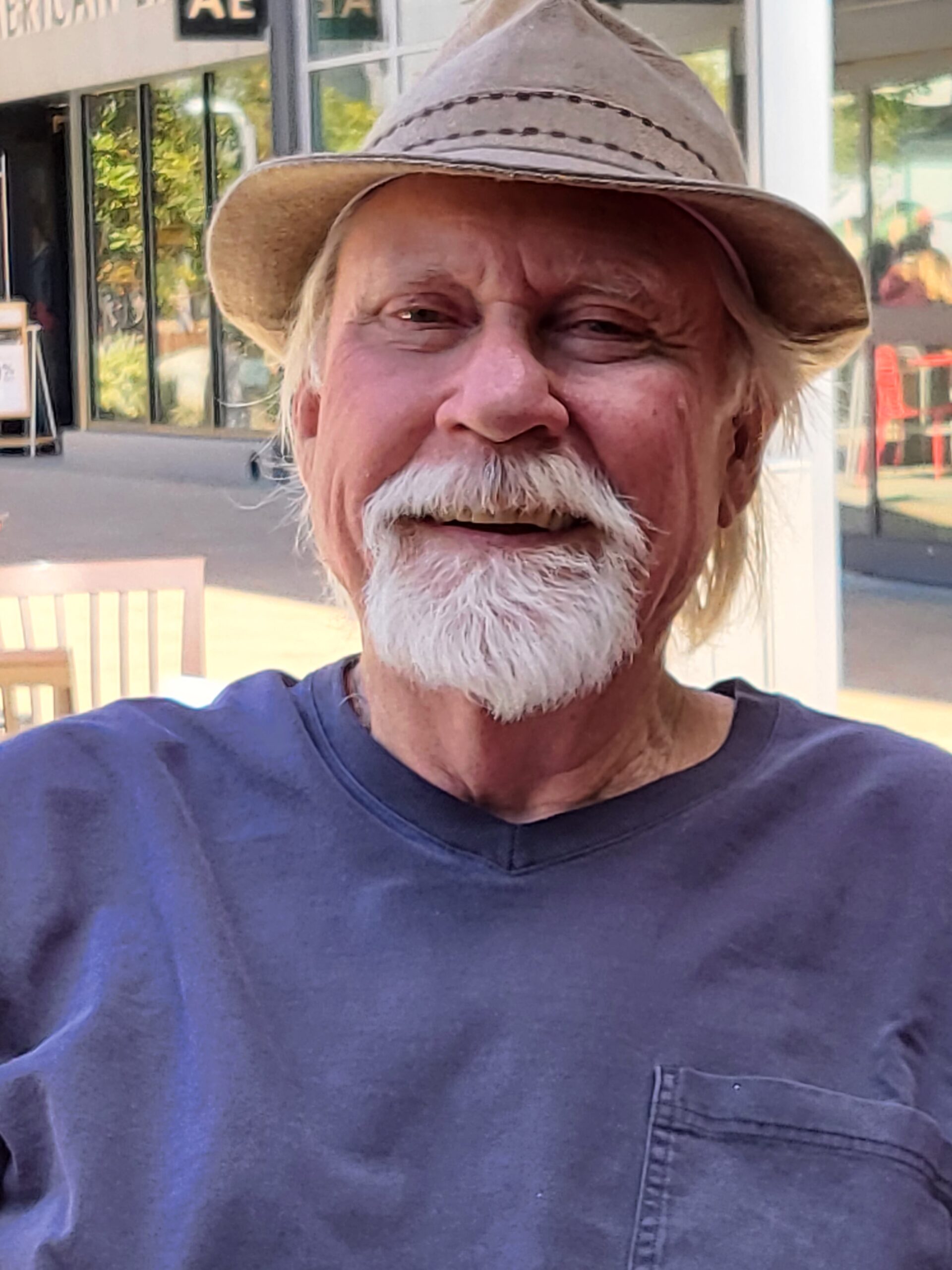
Magnus has been a member of the Peninsula Civil War Round Table for six years.
Nick Marinaro on “The Maritime Landscape During the Civil War and Pivotal Naval Battles, 1861–65”
Join Nick Marinaro for an engaging exploration of the naval theater of the American Civil War, a critical yet often overlooked aspect of the conflict. This talk will examine how the Union and Confederacy vied for control of the Atlantic and Pacific Oceans, the Gulf of Mexico, the Caribbean, and key Southern rivers, shaping strategic and economic outcomes. Highlighting groundbreaking innovations in naval warfare, Nick will discuss the introduction of ironclad ships, sea mines (torpedoes), revolving gun turrets, and the Confederacy’s pioneering use of the submarine H.L. Hunley. The presentation will focus on three pivotal battles:
USS Kearsarge vs. CSS Alabama (June 1864): A dramatic duel off the coast of France that showcased Union naval superiority.
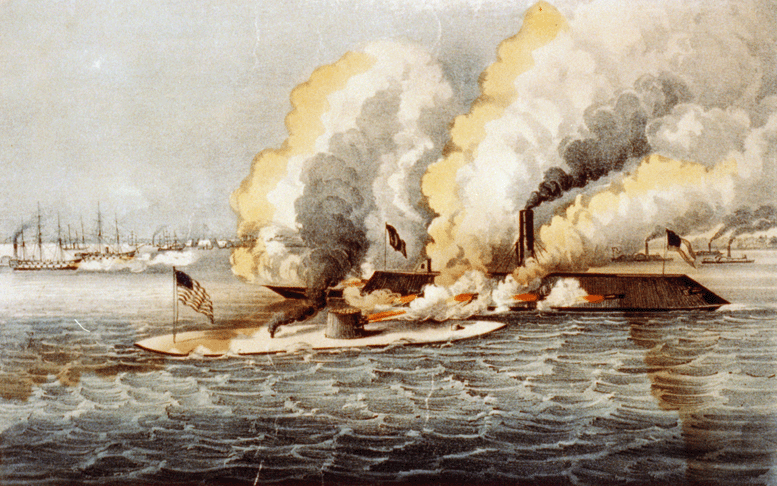
Battle of Hampton Roads (March 1862): The historic “Clash of the Ironclads,” featuring the USS Monitor vs. CSS Virginia, marking the dawn of modern naval warfare.
Battle of Mobile Bay (August 1864): A decisive Union victory, led by Admiral David Farragut, that sealed the Confederacy’s fate in the Gulf.
Discover how these battles and innovations reshaped maritime strategy and influenced the course of the Civil War. Don’t miss this deep dive into a transformative era of naval history!
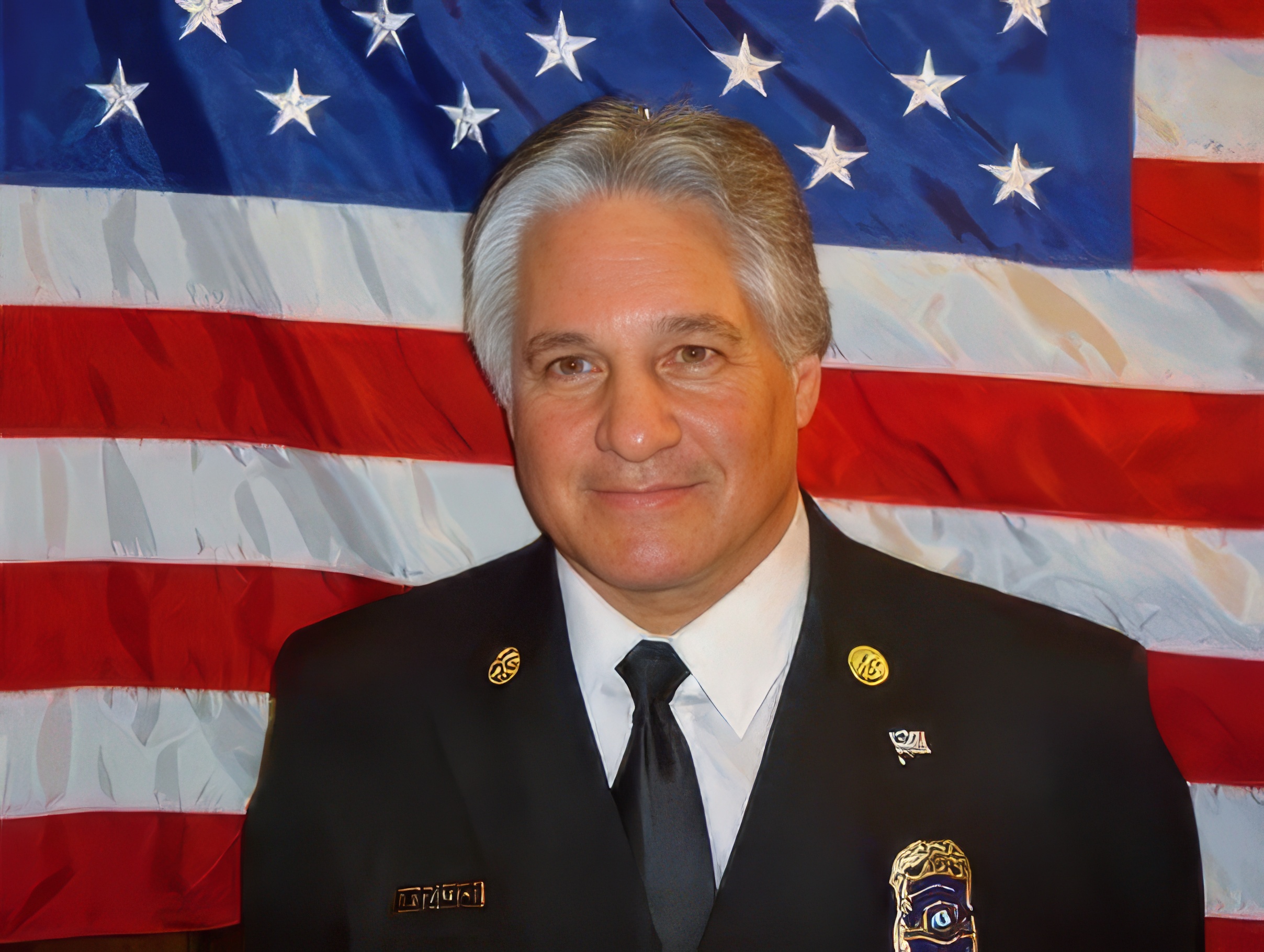
Nick Marinaro was born and raised in Fresno, California, and has had an interest in the Civil War since elementary school. He graduated from Clovis High School and Stanford University with a degree in Human Biology. His 38 year professional career was with the Stanford University/City of Palo Alto Fire Departments, retiring as Fire Chief. Nick has been a member of the Lions Club for 23 years and is the President of the Peninsula Council of Lions Clubs and Treasurer for the Lions Veterans Charities. He is a Board Member of the Palo Alto/Stanford Historical Association (PAST) and the Treasurer of the Peninsula Civil War Roundtable.
Tonya’s presentation is the heartbreaking 19th-century Irish ballad “Paddy’s Lament.” In the song, Patty (or Patrick) leaves Ireland, where he faces hunger and poverty, hoping to make his fortune in America. Instead, he is given a gun and told to “go fight for Lincoln.” After hard fighting in which he loses a leg, all Paddy receives is a wooden leg. He bitterly curses America and wishes he were “home in dear old Dublin.”
Tonya Graham McQuade is the author of A State Divided: The Civil War Letters of James Calaway Hale and Benjamin Petree of Andrew County, Missouri, 1862-65, and is a contributing writer to the Emerging Civil War website. She has a love for both history and historical fiction and a passion for writing which she plans to continue pursuing. Last October she went on a book tour in Missouri to discuss her book at many of its relevant sites, and she has some related historical fiction novels she plans to work on now that she has retired—after 33 years—from teaching English at Los Gatos High School.
Tonya is the great-great-great granddaughter of James Callaway Hale, who wrote forty of the letters in her book. Hale’s daughter Mary Ann married the brother of Benjamin Petree, who wrote the other ten letters. In A State Divided, Tonya tells the story of these two Missouri soldiers as they march and drill with their regiments, avoid several close calls with guerrillas and enemy troops, witness the buildup to the Vicksburg Campaign, get an in-depth look at wartime St. Louis, overcome illness, trek with Sherman through the Carolinas, ponder the devastation they encounter, celebrate victory in Washington, D.C., and spend a lot of time sitting around, longing to be home, writing letters to their families.
Tonya lives in San Jose, California. She is an active member of Emerging Civil War, South Bay Civil War Round Table, South Bay Writers/California Writers Club, National League of American Pen Women, and Poetry Center San Jose. You can learn more about Tonya on her website at tonyagrahammcquade.com, as well as find photos related to her book and to her research trips to Missouri. You can also find links to her Chasing History and Emerging Civil War blog posts, her poetry and photography, and her social media sites.
Mary Boykin Chesnut was the wife of U.S. Senator James Chesnut, Jr., of South Carolina. He was the first U.S. senator to resign after Abraham Lincoln’s election, submitting his resignation on November 10, 1860—just four days after Lincoln was elected president on November 6. South Carolina seceded from the Union on December 20, 1860. Mary began keeping a detailed journal and notes on the events starting with Lincoln’s election, continuing throughout the Civil War and for several months afterward.
Joan Larrabee grew up in a military family; one great-grandfather served in a New York regiment as a teenager at the end of the Civil War. She earned a degree in history at Stanford University and a Master of Urban Planning at San Jose State. She worked for the City of San Jose in the fields of community services, public works, and transportation.
Dana Lombardy will speak on his recently published book on General Grant’s early career, including the Mexican War, Civil War in the west from 1861 through the end of 1862, and the start of the Vicksburg Campaign.
Kathryn Olivarius on “When Lilacs Last in the Dooryard Bloom’d: Lincoln’s Death and a Nation’s Grief”
On Good Friday, April 14, 1865, just five days after Lee’s surrender at Appomattox, John Wilkes Booth assassinated President Abraham Lincoln at Ford’s Theatre. Lincoln’s death came at a moment when the nation desperately needed to make sense of catastrophic loss. Over 750,000 Americans had died in four years of civil war—fathers, sons, brothers gone. Communities were shattered. The South lay in ruins. And yet there had been no national ritual to process this bloodletting, no collective ceremony to mark what had been sacrificed or why. Lincoln’s assassination changed that. As his body traveled 1,700 miles by funeral train from Washington to Springfield, millions of Americans lined the tracks and crowded into cities to participate in elaborate public rituals of grief. Black mourners, many recently freed from slavery, served as pallbearers. Immigrant societies, craft guilds, and religious groups marched in processions. The funeral became a rehearsal for democracy itself—a chance for a fractured nation to grieve together, to consecrate the war’s meaning, and to imagine reunion. This talk explores how Lincoln’s death was transformed into a sacred symbol of national sacrifice, and how his funeral allowed Americans to mourn their collective personal loss.
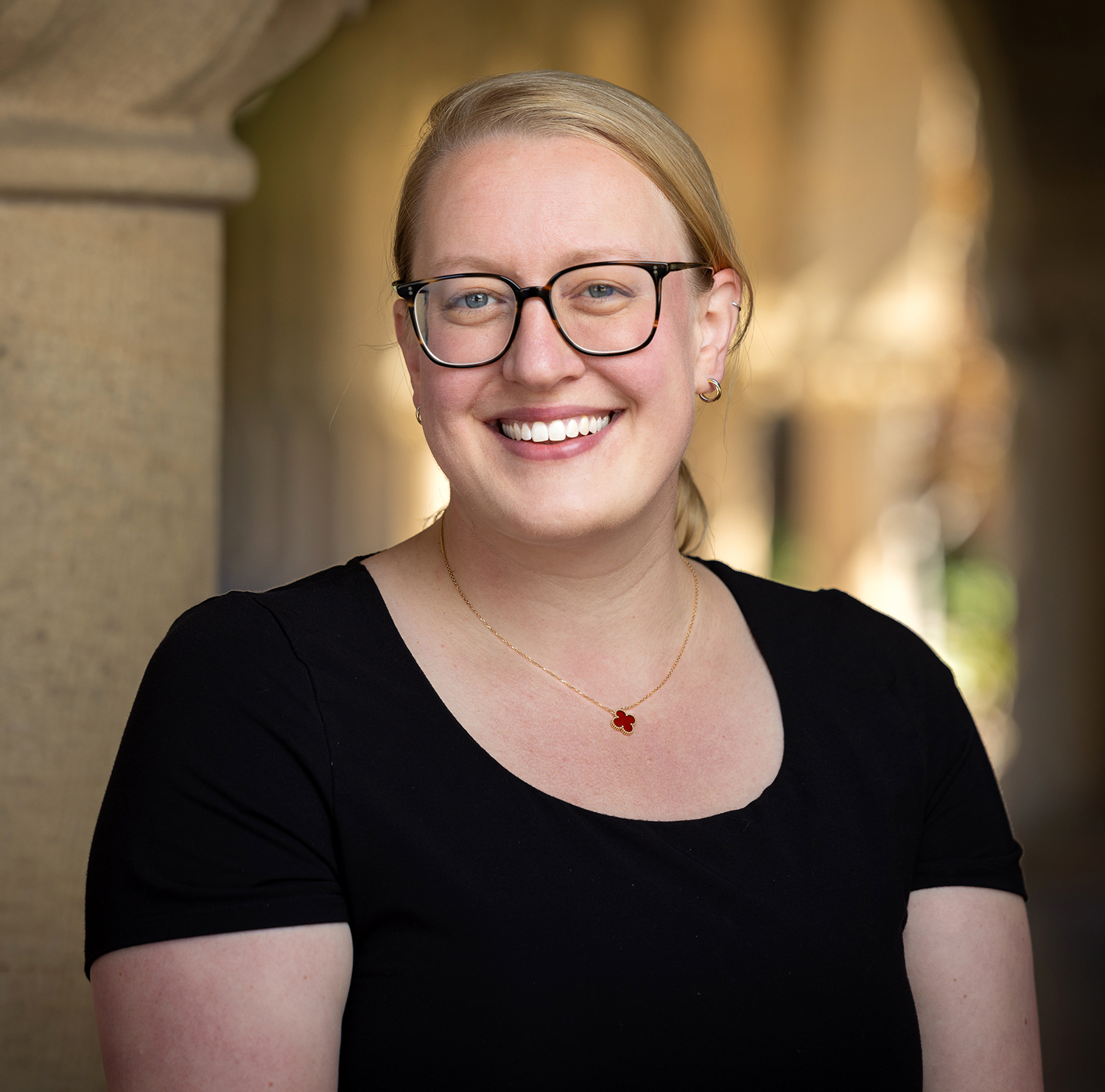
Kathryn Olivarius, Associate Professor of History, at Stanford University, Palo Alto, CA on Wednesday, August 21, 2024. Photographer: LiPo Ching
Kathryn Olivarius is an Associate Professor of History at Stanford University and author of Necropolis: Disease, Power, and Capitalism in the Cotton Kingdom (2022). The book won multiple awards, including best first book prizes from the Organization of American Historians and the American Historical Association, as well as the Humanities Book of the Year Award from the Louisiana Endowment for the Humanities. She has taught Civil War and Reconstruction for a decade and lives in Palo Alto.